

What is Injection Molding?
Injection molding is a manufacturing process where we shape high-precision silicone or thermoplastic components by injecting liquified material into a closed mold under controlled pressure. The material cures or cools into a suitable stable form, and the tool releases a repeatable, production-ready part that supports high value manufacturing.
What are the types of injection molding?
Silicone Injection Molding:
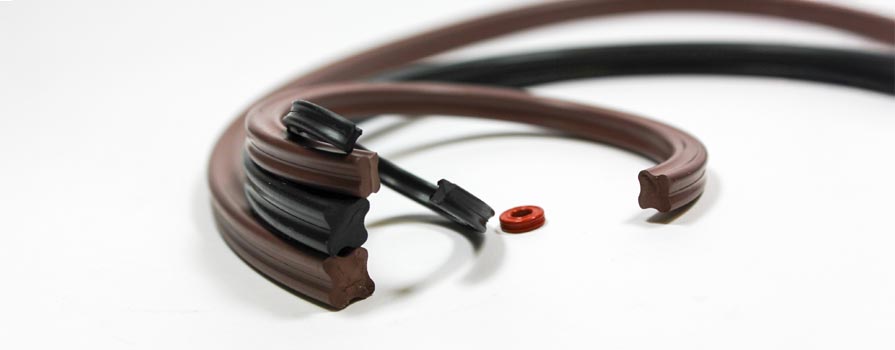
Silicone injection molding mixes two liquid silicone rubber (LSR) components and injects the blend into a heated mold under pressure. The mold’s heat triggers a rapid curing reaction that forms durable, flexible parts with consistent material properties. After curing, the tool releases finished silicone components engineered for demanding applications such as seals, tubing, and medical components.
Plastic Injection Molding:
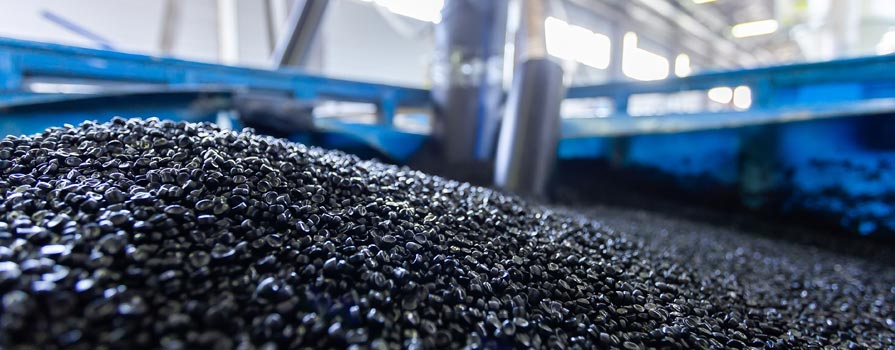
Plastic injection molding mixes small thermoplastic pellets, such as nylon, acrylonitrile butadiene styrene (ABS), polypropylene (PP), and polycarbonate (PC), inside a heated barrel and injects the molten material into a closed steel mold under high pressure.
The plastic cools and hardens into the exact geometry of the cavity, producing repeatable high-volume parts. Once ejected, components move to any required secondary processes such as trimming, painting, and machining. This process supports a wide range of rigid and semi-rigid products, including electronic housings, medical display bezels, packaging, appliances, and structural components.
Overmolding:
Overmolding forms a single part by molding a second material over a pre-molded substrate. A rigid base component is produced first, then placed into a second mold where a softer or complementary material is injected over targeted areas. The two materials bond chemically or mechanically to create a single part with enhanced functionality, such as improved grip, comfort, sealing, or protection. Overmolding is often used for tool handles, automotive interior controls, consumer products, and personal care items.
Insert Molding:
Insert molding integrates a pre-made component such as metal, ceramic, or rigid plastic, directly into the molding process. The insert is placed into the mold, and molten plastic flows around it, locking the insert in place as the material solidifies. This approach eliminates the need for secondary assembly, improves strength and alignment, and enhances electrical or mechanical performance. Insert molding is typically used for sensor housings with metal elements, electrical connectors with metal pins, and durable automotive fasteners and brackets.
Overmolding vs Insert Molding
Overmolding adds a second material over a pre-molded base part, whereas insert molding forms plastic around a pre-made insert. Overmolding combines soft materials over harder substrates to improve grip, sealing, or vibration control. Insert molding surrounds metal or rigid inserts to strengthen the part, improve alignment, or add threads or electrical features. Overmolding uses a two-step or two-shot process, but insert molding requires only one molding cycle after placing the insert.
Silicone Injection Molding vs Plastic Injection Molding
Silicone injection molding uses liquid silicone rubber, while plastic injection molding processes thermoplastics, such as ABS, PP, PC, etc.
Silicone starts as a liquid and cures into a flexible, elastic solid inside a heated mold, whereas thermoplastics melt and cool into rigid or semi-flexible parts into a cooled mold.
Silicone injection molding delivers biocompatible, heat-resistant components ideal for seals, gaskets, medical or skin-contact applications. Plastic injection molding produces durable housings, rigid parts, and structural components for medical, advanced transportation, and industrial products.
What are common plastic injection molding materials?
Common thermoplastics fall into three main groups: commodity plastics, ABS/PC, and engineering polymers. Commodity plastics, such as polyethylene (PE) and polypropylene (PP) offer low-cost, high-yield, and versatility for everyday products. ABS and polycarbonate provide greater durability and support a wide range of additives for enhanced appearance or impact resistance. Engineering polymers deliver specialized performance to suit regulated industries such as medical and aerospace, offering strength, chemical resistance, and stability under demanding conditions.
What are injection molding tolerances?
Tolerance defines the allowable variation from a part’s intended dimensions. Typical thermoplastic tolerances range from ±0.10-0.25 mm, but Boyd scales tolerances to part size and industry requirements. For highly regulated sectors like medical, aerospace, and automotives, we achieve tolerances tighter than 0.001” (0.0254 mm), with any feature requiring tighter than 0.005” (0.127 mm) receiving additional attention. Our team designs tools to meet precise feature tolerances, and we use statistical process control (SPC) tools to monitor up to 5 dimensions per part during production.
What are common applications for injection molded products?
Custom injection molded products are used wherever precise, durable, and high-volume parts are required. Boyd delivers precision-engineered molding solutions for medical devices, aerospace and defense, and advanced transportation applications, as well as specialized industrial and consumer electronics components. Our expertise ensures parts meet stringent performance, durability, and regulatory standards while supporting complex geometries and material combinations.What are the classifications of plastic injection molds?
Plastic injection molds are classified by the Society of the Plastics Industry (SPI) based on production volume and required mold durability, ranging from Class 101 to 105. Higher classes support large-volume production with robust materials and extended tool life, while lower classes suit smaller production runs. Boyd helps customers select the appropriate mold class to balance production efficiency, durability, and part quality, ensuring the mold meets both design and manufacturing requirements.
Boyd: Powering Performance and Efficiency in Every Data Center
Partner with Boyd for end-to-end silicone and plastic injection molding solutions. Our team combines deep material expertise, precision tooling, and global manufacturing capabilities to deliver high-quality, repeatable parts. To learn more about Boyd’s injection molding capabilities and discuss our silicone and plastic injection molding services, schedule a consultation with our experts today.